Collect, Develop, Improve
For its lifetime “Improve Data” has delivered high-quality software solutions for a wide range of industries and domains including consumer and business software development, manufacturing and many others.
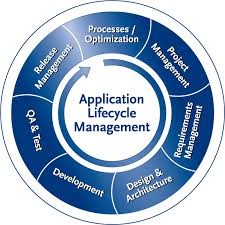
Application lifecycle management (ALM) is the product lifecycle management (governance, development, and maintenance) of computer programs. It encompasses requirements management, software architecture, computer programming, software testing, and software maintenance, change management, continuous integration, project management, and release management.
ALM is a set of pre¬defined processes that start somewhere in the business as an idea, a need, a challenge or a risk and then pass through different development phases such as Requirements definition, design, development, testing, deployment, release and maintenance spanning across an entire lifecycle of a product. Throughout the ALM process, each of these steps is closely monitored and controlled, followed by proper tracking and documentation of any changes to the application.
Supporting web applications is tough if you don’t have the right tools to manage them. Many companies struggle with even knowing what applications are installed on what servers, let alone having the right tools to manage them. There are lots of tools that exist to help with web application management, but is also the problem. Companies end up buying several different tools that don’t work together, and nobody is trained to use. Developers and system administrators need one application management tool to manage their applications.
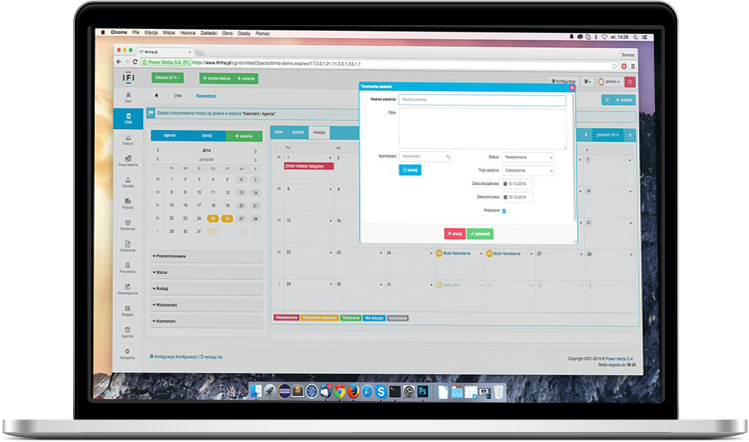
Application that combines several important tools on one platform to provide everything needed to do production application support. Developers can now have more visibility to the production servers without having full access.
. By giving all developers access to this critical information, more people can be involved in doing application support instead of limiting those responsibilities to only a couple developers. Fix applications problems quicker, and free up those employees to work on new projects instead of fixing bugs.
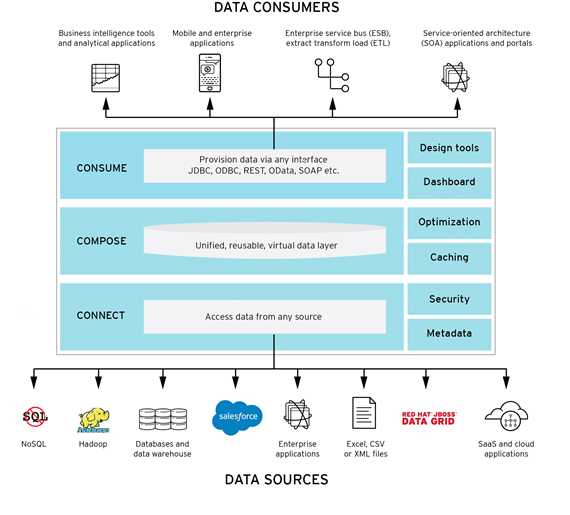
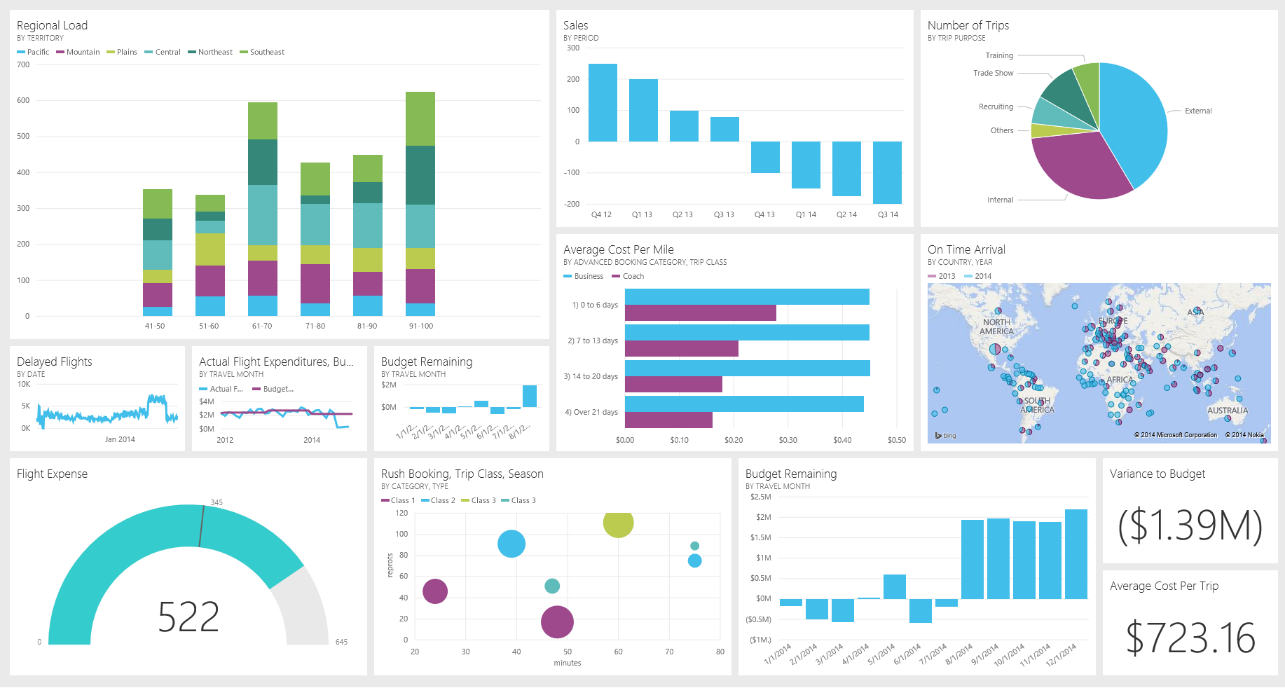
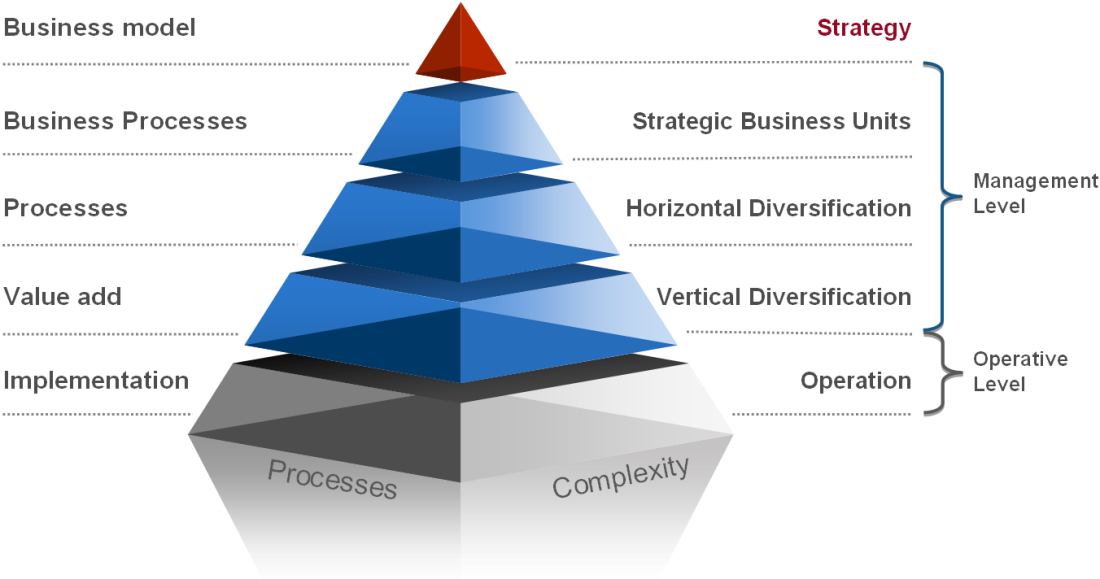
BI technologies provide historical, current and predictive views of business operations. Common functions of business intelligence technologies are reporting, online analytical processing, analytics, data mining, process mining, complex event processing, business performance management, benchmarking, text mining, predictive analytics and prescriptive analytics. BI can be used to support a wide range of business decisions ranging from operational to strategic. Basic operating decisions include product positioning or pricing. Strategic business decisions include priorities, goals and directions at the broadest level. In all cases, BI is most effective when it combines data derived from the market in which a company operates (external data) with data from company sources internal to the business such as financial and operations data (internal data). When combined, external and internal data can provide a more complete picture which, in effect, creates an "intelligence" that cannot be derived by any singular set of data.
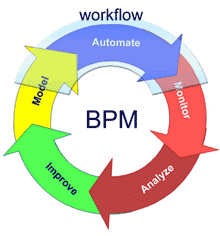
From a more abstract or higher-level perspective, workflow may be considered a view or representation of real work. The flow being described may refer to a document, service or product that is being transferred from one step to another. Workflows may be viewed as one fundamental building block to be combined with other parts of an organization’s structure such as information technology, teams, projects and hierarchies.